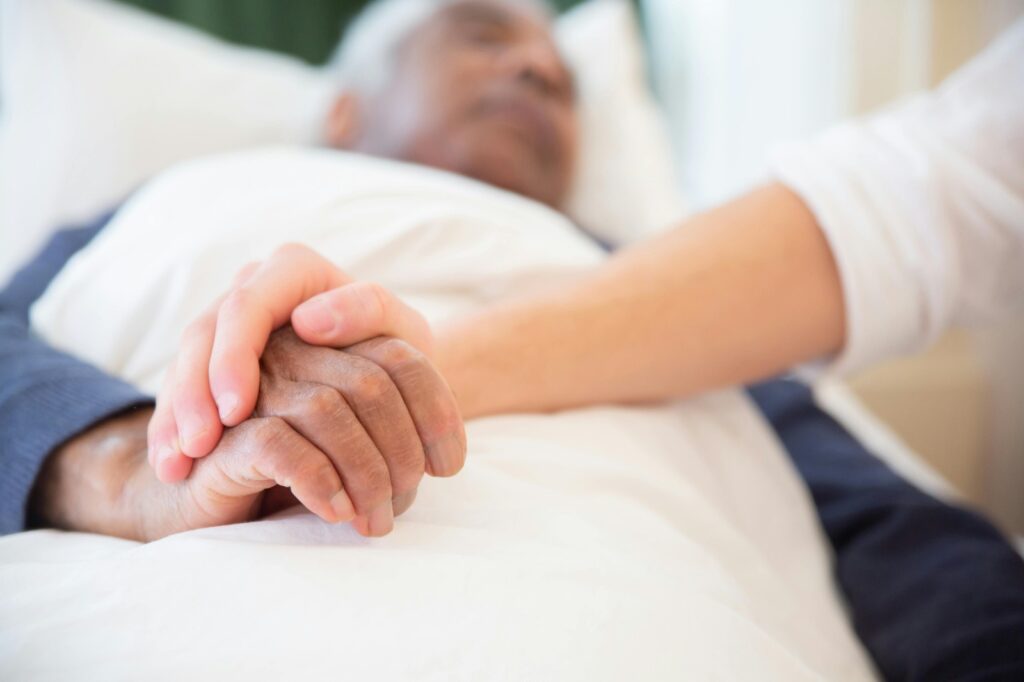
The Role of Skilled Nursing in Home Health Care

In recent years, the healthcare landscape has seen a significant shift toward home-based care. As patients seek more personalized, cost-effective, and comfortable alternatives to hospital stays or long-term facility care, home health care has emerged as a vital solution. At the heart of this growing sector lies skilled nursing , a cornerstone service that ensures patients receive high-quality medical attention in the comfort of their own homes.

What Is Skilled Nursing?

Skilled nursing refers to specialized medical care provided by licensed nurses—typically Registered Nurses (RNs) or Licensed Practical Nurses (LPNs) —who are trained to manage complex health conditions. Unlike personal care aides who assist with daily living tasks, skilled nurses offer services that require professional expertise and clinical judgment.
These services may include:
  • Wound care and management
  • Medication administration
  • Monitoring chronic illnesses (e.g., diabetes, heart disease)
  • Post-surgical recovery support
  • Intravenous (IV) therapy
  • Pain management
  • Disease education and prevention strategies

Why Skilled Nursing Matters in Home Health Care

1. Improved Patient Outcomes

When patients recover at home under the supervision of skilled nurses, they often experience better outcomes than those treated in institutional settings. The familiar environment reduces stress and promotes faster healing. Nurses ensure continuity of care by closely monitoring symptoms, adjusting treatments, and communicating regularly with physicians.

2. Personalized, One-on-One Attention

Home health care allows for individualized care plans tailored to each patient’s unique needs. Skilled nurses spend quality time with patients, building trust and rapport, which is essential for both emotional and physical well-being.

3. Cost-Effective Alternative to Hospitalization

Hospital readmissions are not only stressful for patients but also expensive. Skilled nursing in the home can help prevent unnecessary hospital visits by managing conditions early and effectively. Medicare and many private insurance plans now cover home health services, recognizing them as a cost-efficient way to deliver care.

4. Support for Aging in Place

With the aging population on the rise, more seniors are choosing to age in place—remaining in their homes rather than moving into assisted living facilities. Skilled nursing plays a critical role in making this possible by providing the medical oversight necessary for older adults to live safely and independently at home.

5. Respite for Family Caregivers

Caring for a loved one with complex medical needs can be overwhelming. Skilled nurses provide much-needed relief to family caregivers, offering both professional support and peace of mind. They also educate families on how to assist their loved ones between visits.

Who Benefits from Skilled Nursing at Home?

Skilled nursing services benefit a wide range of individuals, including:
  • Patients recovering from surgery or illness
  • Individuals managing chronic diseases
  • Elderly patients needing ongoing care
  • Those transitioning home from hospitals or rehabilitation centers
  • People with disabilities requiring regular medical attention

Challenges and the Road Ahead

Despite its many benefits, skilled nursing in home health care faces challenges such as staffing shortages, regulatory complexities, and reimbursement issues. However, advancements in telehealth, remote monitoring technologies, and increased awareness are helping to expand access and improve efficiency.
Moreover, the demand for home-based skilled nursing is expected to grow significantly in the coming years. As the healthcare system continues to evolve, home health care will play an increasingly important role in delivering patient-centered, value-based care.

Final Thoughts

Skilled nursing is more than just a service—it’s a lifeline for countless patients seeking dignity, comfort, and effective care outside the walls of a hospital or nursing home. By bringing expert medical attention directly to the patient’s doorstep, skilled nurses empower individuals to lead healthier, more independent lives.
As we look to the future of healthcare, investing in and supporting skilled nursing within the home health setting will be key to creating a more compassionate, accessible, and sustainable system for all.

We’d Love to Hear From You